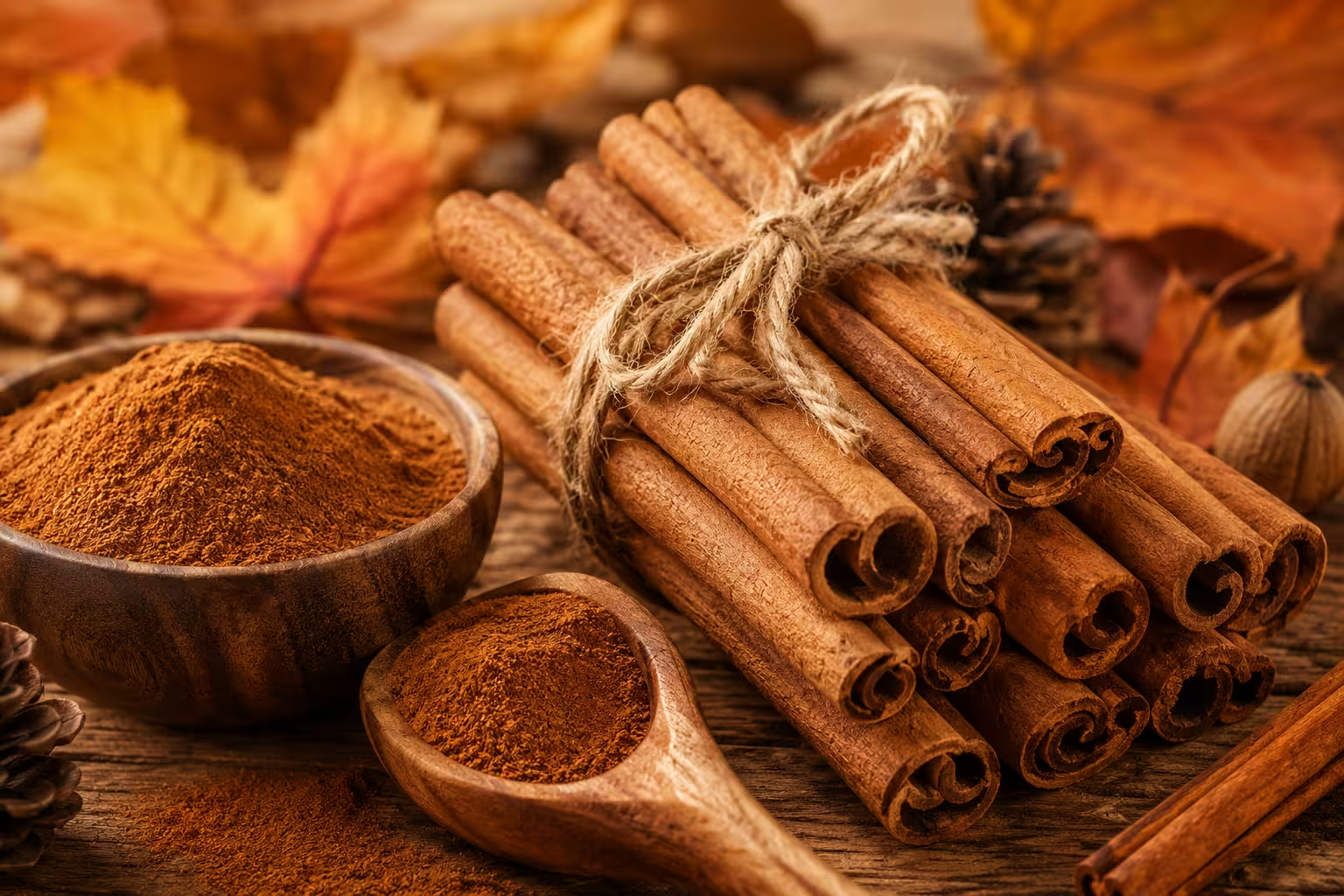
Cinnamon sits in almost every kitchen cabinet, right next to the sugar and the vanilla extract, and most of us barely think about it beyond sprinkling it on toast or stirring it into coffee. But this dusty little spice has one of the wildest backstories of anything in your pantry. It has been smuggled, faked, taxed, and fought over for thousands of years. Grab a cup of something warm, because these facts about cinnamon are about to make you look at that spice jar completely differently.
This one fits right alongside the rest of our Food category, where we dig into the strange, overlooked history behind things you eat every week without a second thought.
Table of Contents
Quick Facts About Cinnamon at a Glance
- Cinnamon comes from the inner bark of trees in the Cinnamomum genus.
- There are two main types sold worldwide: Ceylon cinnamon and cassia cinnamon.
- Ancient Egyptians used cinnamon in embalming rituals more than 4,000 years ago.
- Sri Lanka produces most of the world’s true Ceylon cinnamon.
- Cinnamon was once considered valuable enough to be offered as a gift to kings and gods.
- Most cinnamon sold in the US and Canada is actually cassia, not true cinnamon.
The Ancient Origins of Cinnamon
Cinnamon’s history stretches back further than most spices we use today. According to Britannica, the tree is native to Sri Lanka, the Malabar Coast of India, and Myanmar, though it’s now cultivated in South America and the West Indies as well. It shows up in ancient Egyptian texts as an ingredient in embalming oils, and it’s mentioned in some of the oldest religious writings as a rare and sacred substance.
If you enjoyed learning that, our deep dive into weird facts about ancient Egypt covers plenty of other strange rituals from the same era, well beyond just the spice cabinet.
For centuries, nobody outside the spice trade actually knew where cinnamon came from. Arab traders who controlled the routes kept the source a closely guarded secret, and they weren’t shy about inventing tall tales to protect it. One popular legend claimed cinnamon sticks were gathered from the nests of enormous birds that had to be lured away with chunks of meat. It sounds ridiculous now, but it worked well enough to keep prices high and competitors confused for generations.
Cinnamon in Mythology and Religion
Beyond the trade secrecy, cinnamon carried genuine spiritual weight in the ancient world. It’s referenced several times in the Hebrew Bible, including as an ingredient in a sacred anointing oil, which tells you how highly it was regarded — this wasn’t a spice for everyday cooking, it was reserved for rituals and offerings.
Ancient Greek and Roman writers repeated the same exaggerated harvesting myths that Arab traders had spread, partly because nobody had ever actually seen a cinnamon tree growing. That mystery only added to its reputation as something almost otherworldly, worth guarding, worth mythologizing, and worth paying absurd amounts of money for.
How Cinnamon Was Once Worth More Than Gold
By the time cinnamon reached Rome, it had traveled through so many hands and so many markups that it became a genuine luxury item, sometimes valued higher than silver by weight. The Roman emperor Nero reportedly burned a year’s supply of the city’s cinnamon at his wife’s funeral as an extravagant public display of grief and wealth, which gives you a sense of just how status-symbol the spice had become. Centuries later, European powers went to actual war over it. Portugal, and then the Netherlands, fought to control Ceylon, the island we now call Sri Lanka, specifically because it was the source of true cinnamon.
Entire naval campaigns and colonial takeovers were driven by the desire to control this one spice, which is a strange thing to picture the next time you’re absentmindedly shaking it onto oatmeal.
True Cinnamon vs Cassia — What’s the Difference
Here’s something that surprises a lot of people: the cinnamon in your grocery store probably isn’t ‘real’ cinnamon at all. Ceylon cinnamon, the true variety, has a lighter color, a softer and more papery texture when rolled into sticks, and a milder, slightly sweet flavor. Cassia, which dominates the mass market because it’s cheaper and easier to grow, is darker, harder, and more intensely spicy. If you’ve ever bought a cinnamon stick that felt more like a thick piece of bark than a delicate curl, that was almost certainly cassia. Vietnam, Indonesia, and China are the major producers of cassia, while Sri Lanka still supplies the bulk of the world’s Ceylon cinnamon.
Where Cinnamon Grows Today
Modern cinnamon production looks a lot like it did centuries ago, just with better shipping. Sri Lankan farmers still hand-strip the bark from young shoots and let it curl naturally in the sun, a slow, skilled process that keeps Ceylon cinnamon relatively expensive compared to mass-produced cassia. Indonesia has become the largest cassia exporter in the world, followed by Vietnam and China, and most of what lands in North American supermarkets traces back to one of those three countries rather than Sri Lanka at all. It’s a good reminder that a lot of everyday grocery items carry a much more complicated supply chain than the label ever lets on.
Cinnamon isn’t the only pantry staple with a surprisingly tangled backstory — our piece on interesting avocado facts unpacks another everyday food most people never think twice about.
Surprising Health Benefits of Cinnamon
Cinnamon isn’t just a flavor bomb, it’s also been studied for its antioxidant and anti-inflammatory properties. Researchers have looked into how certain compounds in cinnamon may interact with blood sugar regulation, which is part of why you’ll see it recommended so often in wellness circles.
That said, according to the National Center for Complementary and Integrative Health, cassia cinnamon contains a naturally occurring compound called coumarin, which can build up in the body and affect the liver if consumed in very large amounts over time, so it’s best treated as a flavorful everyday spice rather than a supplement to load up on.
Fun and Weird Cinnamon Facts
- The viral ‘cinnamon challenge,’ where people try to swallow a spoonful dry, can actually irritate the lungs badly enough to send people to the emergency room.
- Cinnamon rolls as we know them are widely credited to Scandinavian bakers, and Sweden even celebrates its own cinnamon roll day every October.
- In the medieval spice trade, cinnamon sometimes doubled as a form of currency used to pay debts and taxes.
- A rare variety grown in parts of Indonesia is prized by chefs for having an unusually intense, almost floral aroma.
- Cinnamon oil has been used historically as a natural preservative because its compounds slow the growth of certain molds and bacteria.
How to Use Cinnamon in Everyday Life
Beyond desserts, cinnamon works beautifully in savory cooking. Middle Eastern and North African dishes often pair it with meat, rice, and warming spices like cumin and cloves. A pinch stirred into coffee or hot chocolate rounds out bitterness without adding sugar, and a stick simmered in apple cider fills a whole kitchen with that unmistakable cozy smell. It has also historically been used as a natural preservative, since its antibacterial properties can slow the growth of certain molds and bacteria in food.
If digging into the backstory of everyday food is your thing, our Pizza Hut facts roundup covers a completely different slice of food history, this time from the fast food world instead of the ancient spice trade.
Common Myths About Cinnamon
A lot of half-true claims float around about this spice, so it’s worth separating fact from wishful thinking. One popular myth is that cinnamon can single-handedly cure diabetes or replace medication entirely — the research so far only points to modest effects on blood sugar, nothing close to a cure. Another common claim is that all cinnamon is created equal, when in reality Ceylon and cassia behave differently in terms of flavor, cost, and even safety at high doses. And despite what wellness blogs sometimes suggest, sprinkling extra cinnamon on your coffee every morning isn’t a shortcut to better health; it’s simply a pleasant, low-risk habit that happens to come with a few genuine perks attached.
